The Culinary Mechanics of the Pumpkin Cake Ball
As a culinary professional, I am often highly skeptical of convenience products masquerading as fine pastry. Yet, the humble pumpkin cake ball defies these expectations when executed with exacting technique and an understanding of food science. By manipulating moisture control and flavor balance, a commercial pumpkin loaf can seamlessly transform into a sophisticated, truffle-like seasonal confection.
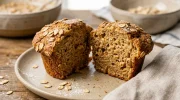
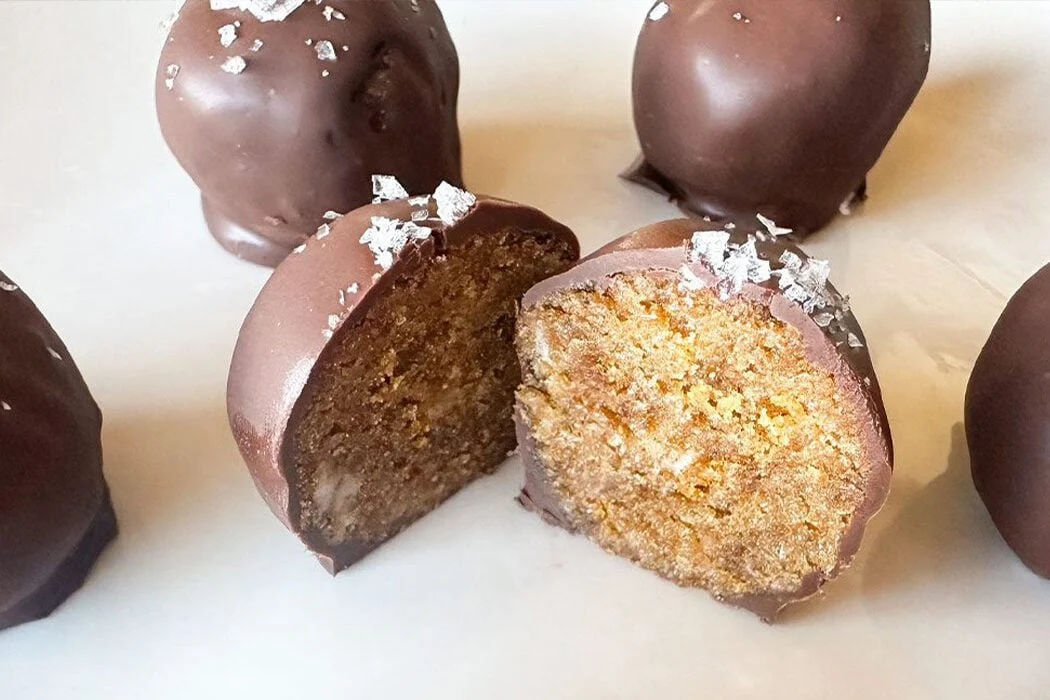
Pumpkin puree is exceptionally rich in natural hydrocolloids and pectin, which trap moisture within the flour matrix during baking. This results in a highly hydrated, dense crumb structure that requires a surprisingly minimal amount of additional binding agent. When this cake is crumbled and gently compressed, it mimics the velvety, melt-in-the-mouth texture of a classic chocolate ganache.
Achieving the Ideal Truffle Texture
Commercially prepared frosted pumpkin loaves already contain a calculated ratio of aerated fats and sugars. We introduce just enough additional vanilla frosting to bridge the hydration gap without rendering the center heavy or greasy. It is critical to incorporate this binder with a light hand, mixing only until the crumb yields to gentle pressure.
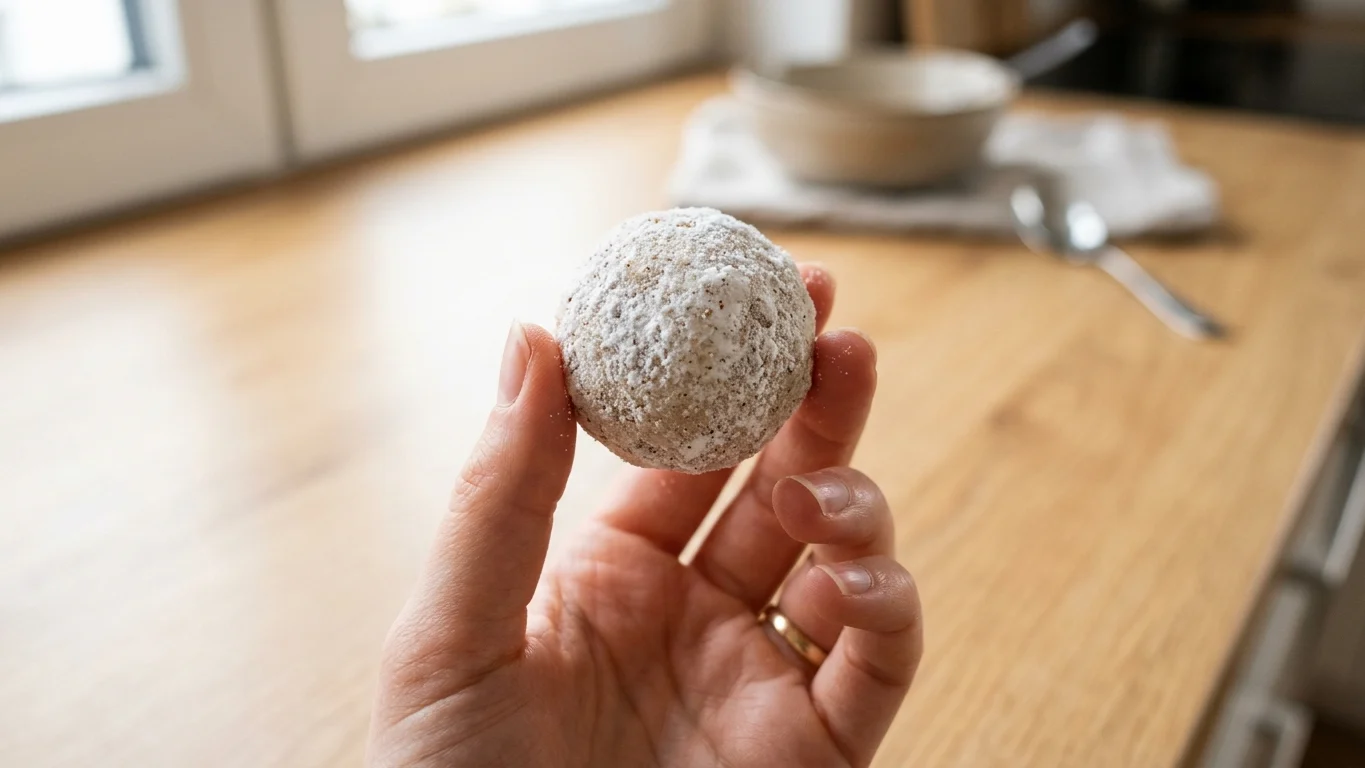
Overworking the mixture will crush the remaining air pockets in the cake, resulting in a gummy, unpalatable core. Work swiftly with cool hands to form the centers, ensuring they are perfectly smooth before they undergo their initial chill. A perfectly formed cake ball should possess structural integrity while remaining soft enough to yield instantly to a bite.
Professional Recipe Breakdown
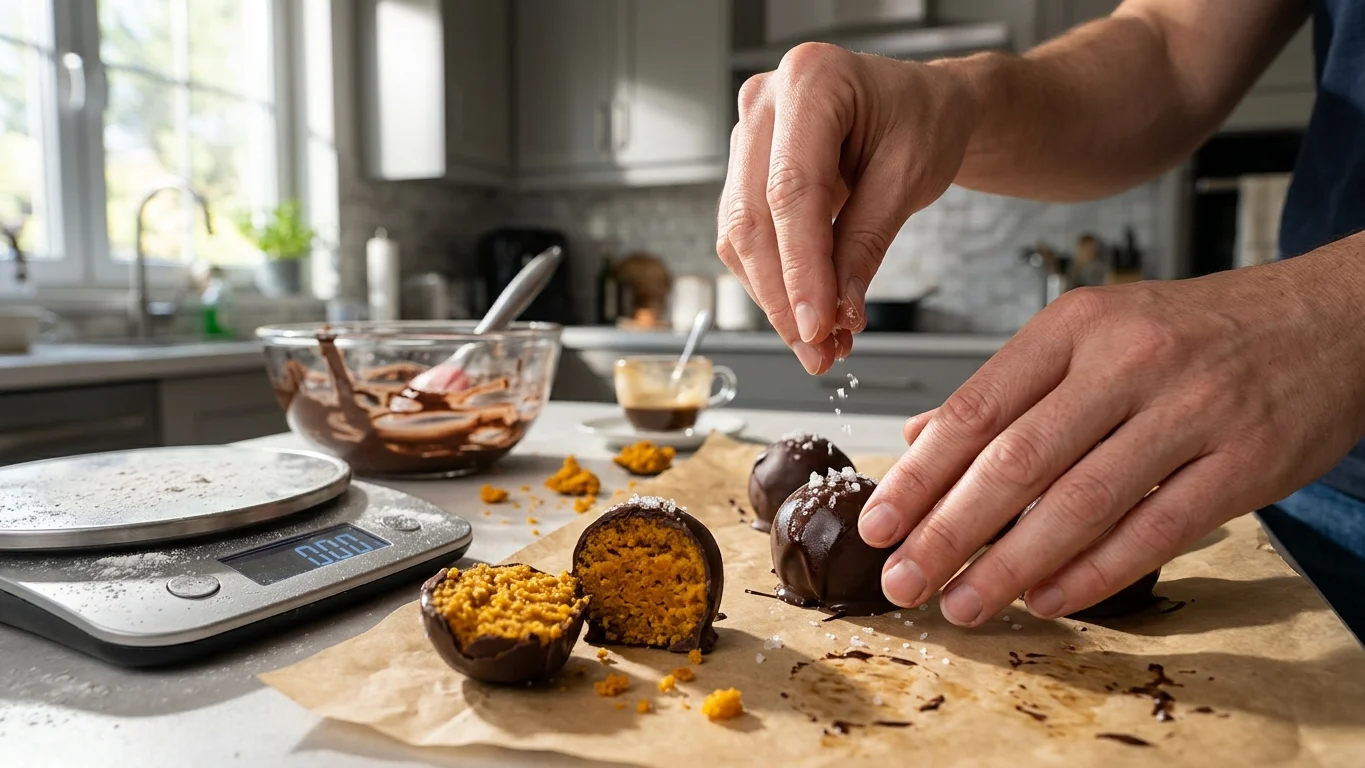
Precision is the cornerstone of the professional kitchen, even when working with accessible ingredients. Utilizing a digital scale for your components ensures a uniform texture and flavor profile across every single batch. Below is the precise formulation for crafting these elevated confections.
| Culinary Requirement | Precise Details & Measurements |
|---|---|
| Ingredients & Exact Weights |
|
| Total Cooking & Prep Time | 45 Minutes (15 minutes active preparation, 20 minutes chilling, 10 minutes setting) |
| Expert Pairings & Sides |
|
The Enrobing Technique: Crafting the Perfect Shell
Coating the chilled pumpkin centers requires efficiency to maintain the structural integrity of the delicate cake ball. Utilize high-quality chocolate melting wafers formulated with specific cocoa butter ratios to ensure a brilliant sheen and a firm snap. The contrast between the rigid, crystalline chocolate shell and the tender pumpkin interior ultimately dictates the success of this dessert.
Submerge each chilled ball entirely, using a professional dipping fork to lift it from the chocolate bath. Tap the fork gently against the rim of your bowl to shear away excess chocolate, preventing an unsightly foot from forming on your parchment paper. Transfer the enrobed truffle immediately to the curing station.
The Crucial Finishing Touch
Sucrose requires the presence of sodium to unlock its full aromatic and flavor potential on the palate. Applying a singular, large flake of coarse sea salt exactly as the chocolate begins to set provides this essential biological balance. This finishing technique pierces through the inherent sweetness of the vanilla binder.
Furthermore, the salt amplifies the warm, volatile compounds found in the cinnamon, nutmeg, and cloves inherent to the pumpkin spice blend. Keep your confections refrigerated until exactly ten minutes before service. This brief tempering period allows the pumpkin center to soften slightly while the chocolate maintains its crucial snap.