
Embracing the Autumn Culinary Shift
October demands a fundamental shift in the kitchen as falling temperatures trigger our craving for rich, complex broths and velvet-textured purées. Soup season is not merely a calendar event; it is a culinary imperative driven by the arrival of seasonal produce. As an executive chef, I view the humble soup pot as a canvas for building layered, aromatic depth that transforms weeknight dinners.
Elevating the Classic Pumpkin Soup
Savory pumpkin preparations are finally claiming the culinary spotlight traditionally dominated by overly sweet, spiced coffee drinks and dessert pies. A truly remarkable pumpkin soup requires an aggressive approach to seasoning and a deep understanding of flavor development. We must move beyond basic purées by introducing targeted heat, complementary fats, and robust aromatics.
The Science of Flavor Extraction
Canned pumpkin purée often carries a flat, metallic undertone that must be cooked out before adding any liquid. Sautéing the purée in brown butter at 325°F (165°C) initiates caramelization, transforming raw starch into complex, nutty flavor compounds. This critical technique evaporates residual water and intensifies the squash’s natural savoriness.
Master Recipe: Velvet Pumpkin and Sage Bisque
Precision is the cornerstone of professional cooking, which is why standard US volumetric measurements are provided alongside exact metric weights. The following formulation guarantees a silky, emulsion-stabilized soup with perfect viscosity.
| Culinary Element | Specifications & Details |
|---|---|
| Total Cooking Time | 45 minutes (15 minutes active prep, 30 minutes simmering) |
| Core Ingredients |
|
| Aromatics & Seasoning |
|
| Expert Pairings & Side Dishes | Elevate your plating with a Gruyère and caramelized onion grilled cheese on thick-cut sourdough.
For texture, garnish the soup with pan-fried crispy sage leaves, toasted pumpkin seeds (pepitas), and a few drops of high-grade chili oil. |
Execution and Technique
Begin by melting the unsalted butter in a heavy-bottomed Dutch oven over medium heat. Once the butter foams and subsides, add the minced onion and sauté until translucent, taking care not to introduce any brown color. Stir in the minced garlic and fresh sage leaves, cooking for exactly 60 seconds until the oils release their fragrance.
Introduce the pumpkin purée and curry powder to the pot, increasing the heat slightly to medium-high. Continuously fold the mixture for five to seven minutes, allowing the pumpkin to sear against the bottom of the hot enamel pot. This roasting phase concentrates the natural sugars and neutralizes the tinny flavor characteristic of canned squash.
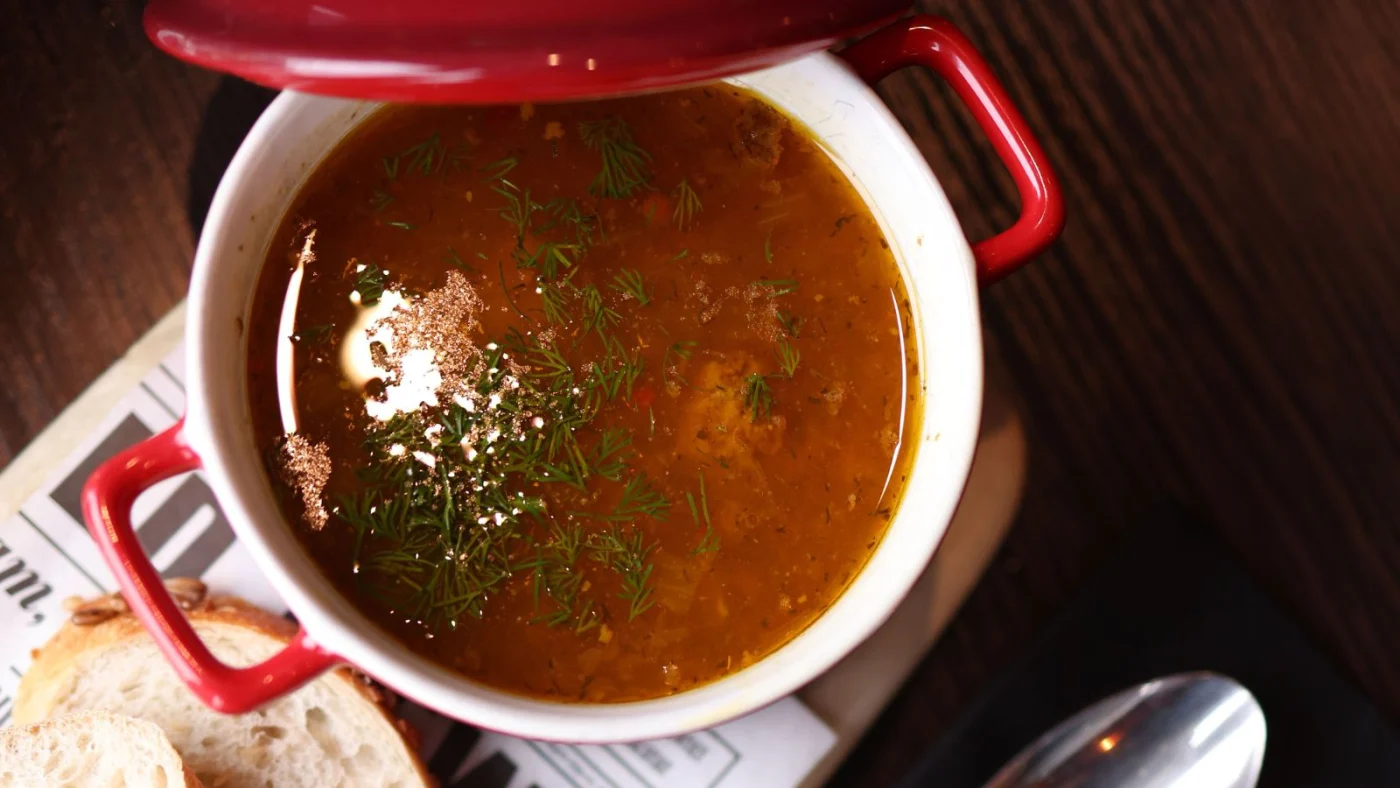
Deglaze the pot with the chicken stock, scraping up any fond that has formed on the bottom. Bring the liquid to a gentle simmer at 185°F (85°C), then immediately reduce the heat to low. Cover and allow the soup to simmer gently for 20 minutes so the aromatics fully infuse the broth.
Finishing the Emulsion
Remove the pot from the heat and use tongs to discard the whole sage leaves. Using a high-powered immersion blender, process the soup until completely smooth, ensuring no fibrous texture remains. If using a standard countertop blender, remove the center cap to allow steam to escape and blend the hot liquid in batches.
Return the puréed soup to the stove on the lowest possible heat setting. Whisk in the heavy cream or coconut milk, stirring gently until the fat integrates and creates a velvety, opaque texture. Never allow the soup to boil after adding the dairy, as the proteins will rapidly coagulate and ruin the silky mouthfeel.
Adjust the seasoning with kosher salt and white pepper, tasting critically for the balance between rich fat and savory aromatics. Ladle the hot bisque into warmed shallow bowls to retain the temperature during service. Garnish immediately with toasted pepitas, a swirl of extra cream, and a pinch of chili flakes for striking visual contrast.