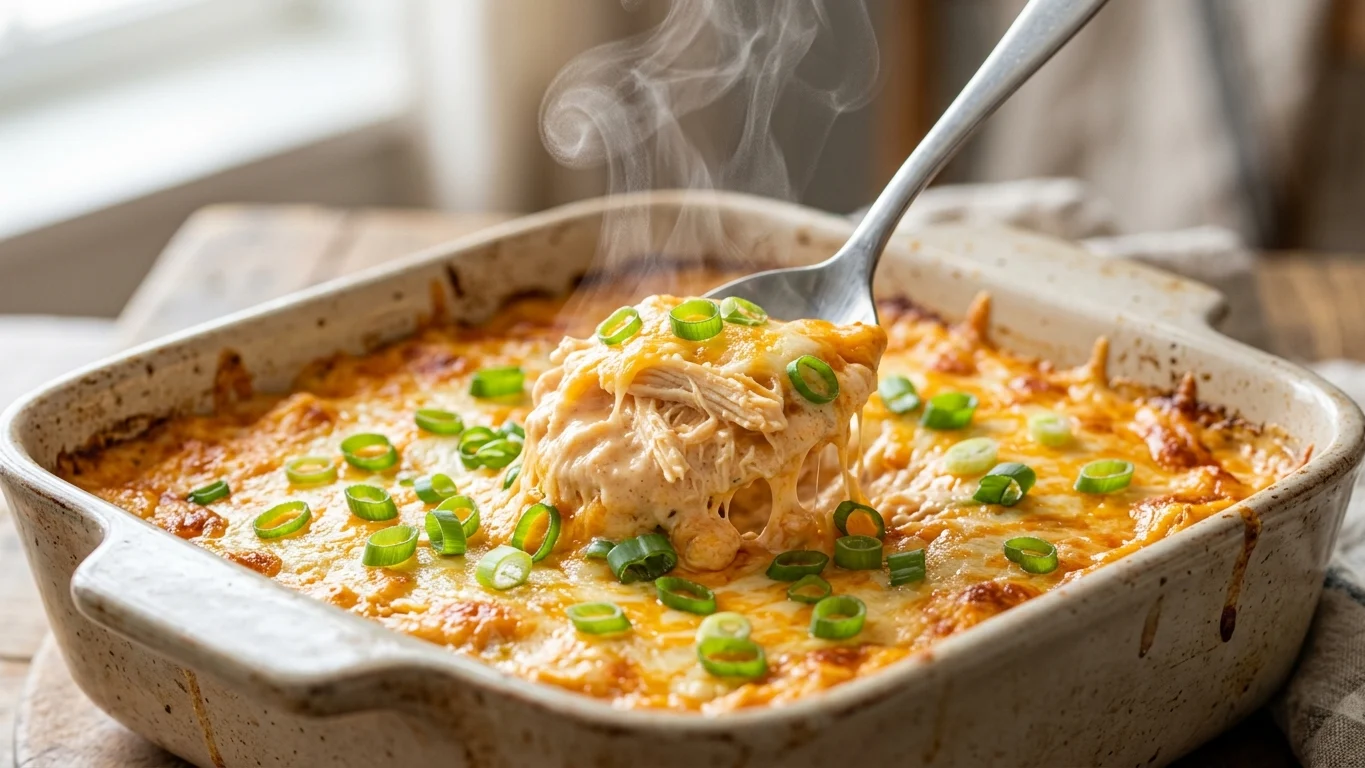
The Science of a Roux-Free Emulsion
Mastering macaroni and cheese in a slow cooker demands more than merely tossing raw ingredients into a ceramic vessel. The inherent challenge of slow-cooked pasta is preventing the starches from degrading into a gummy, unpalatable texture. By applying precise par-boiling techniques and a scientifically balanced dairy emulsion, you can achieve a flawless, velvety finish with minimal active intervention.
Classic macaroni and cheese relies on a flour-based roux to stabilize the dairy and prevent the cheese fats from breaking under heat. When utilizing a slow cooker, a traditional roux becomes clunky and often results in an unpleasantly grainy mouthfeel. Instead, professional kitchens rely on the concentrated proteins found in evaporated milk to naturally bind the fat molecules of the sharp cheddar.
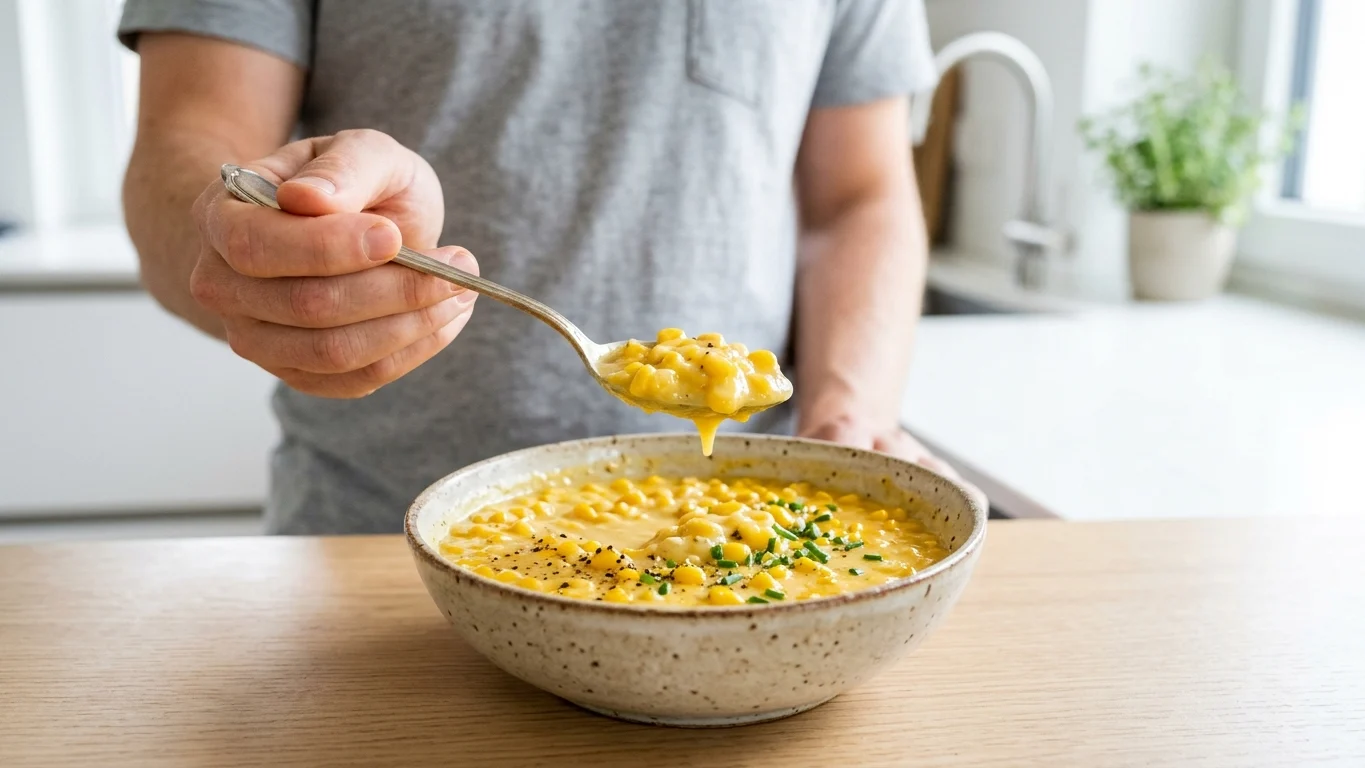
This calculated technique yields an ultra-silky cheese sauce that maintains its structural integrity over a prolonged, low-temperature cook. The slow cooker becomes an asset rather than a liability, gently melting the cheeses without pushing them past their breaking point.
Why Evaporated Milk Matters
Evaporated milk has roughly 60 percent of its water content removed, leaving behind a dense concentration of casein and whey proteins. These robust proteins act as powerful emulsifiers that seamlessly trap the liquid fat released by the melting cheese. By combining evaporated milk with standard whole milk, we establish the exact hydration ratio required to cook the pasta gently without shattering the sauce.
The Four-Minute Par-Boil Technique
Attempting to cook raw, dry macaroni exclusively in the slow cooker is a culinary gamble that almost always ends in mushy pasta. The solution is a rapid four-minute par-boil in heavily salted water to jumpstart the starch gelatinization process. The pasta must be removed from the boiling water while it is still aggressively firm and noticeably underdone in the center.
Once drained, tossing the hot pasta with butter immediately coats the noodles in a protective layer of fat. This crucial step prevents clumping and shields the starch from absorbing liquid too rapidly while sitting in the slow cooker.
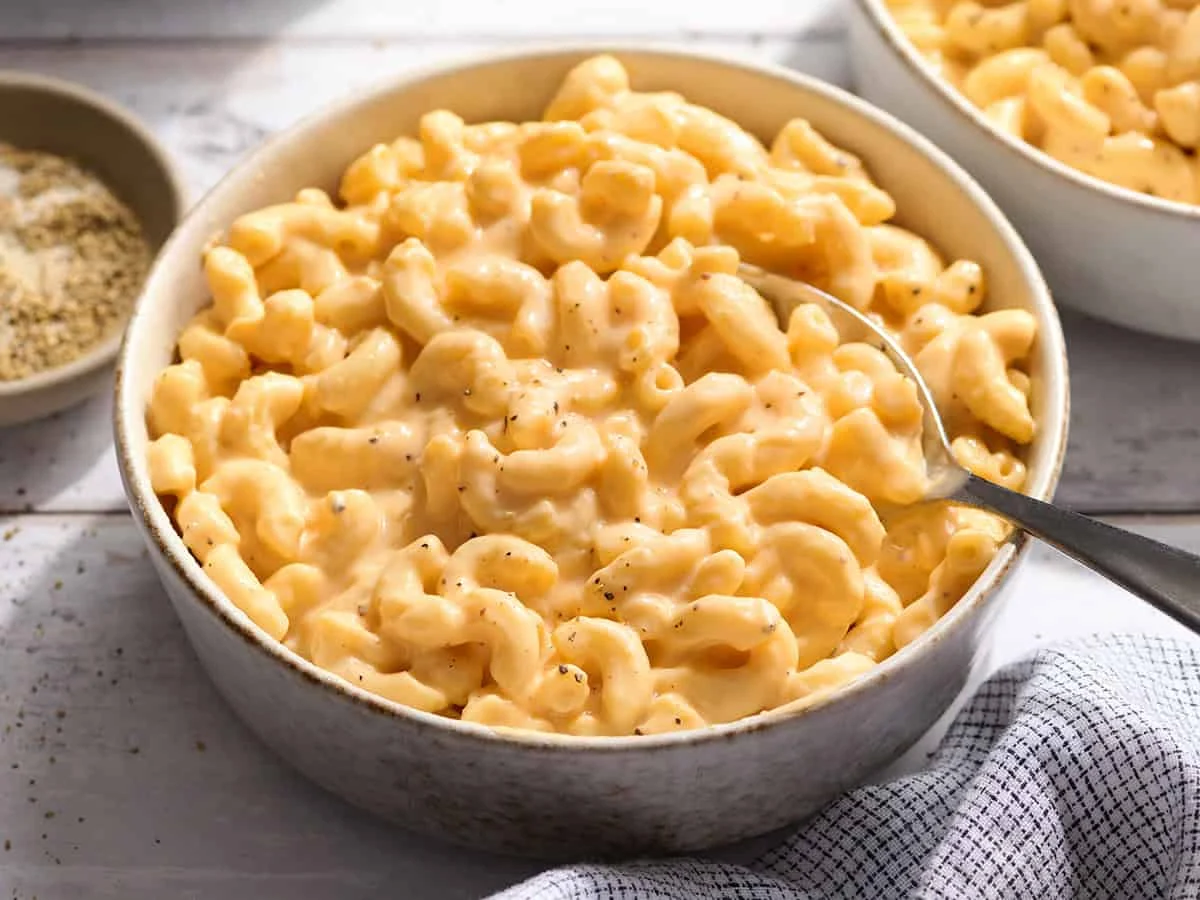
Expert Recipe & Preparation Details
Precision is the cornerstone of exceptional cooking, especially when dealing with cheese emulsions. Utilize the table below to gather your exact measurements and plan your service timing. Pay special attention to the pairings, as a dish this rich demands the right contrasting elements on the plate.
| Culinary Category | Precise Details & Measurements |
|---|---|
| Total Cooking Time | 1 Hour 10 Minutes (10 minutes active preparation, 60 minutes slow cooking). |
| Core Ingredients |
|
| Spices & Seasonings |
|
| Expert Pairing Tips | Serve this heavy, dairy-rich side alongside a deeply caramelized protein to cut the richness. A honey-glazed ham, smoked beef brisket, or a classic oven-roasted meatloaf pairs exceptionally well. For vegetal contrast, offer blistered green beans or charred broccoli rabe finished with fresh lemon juice. |
Precision Execution: Step-by-Step Methodology
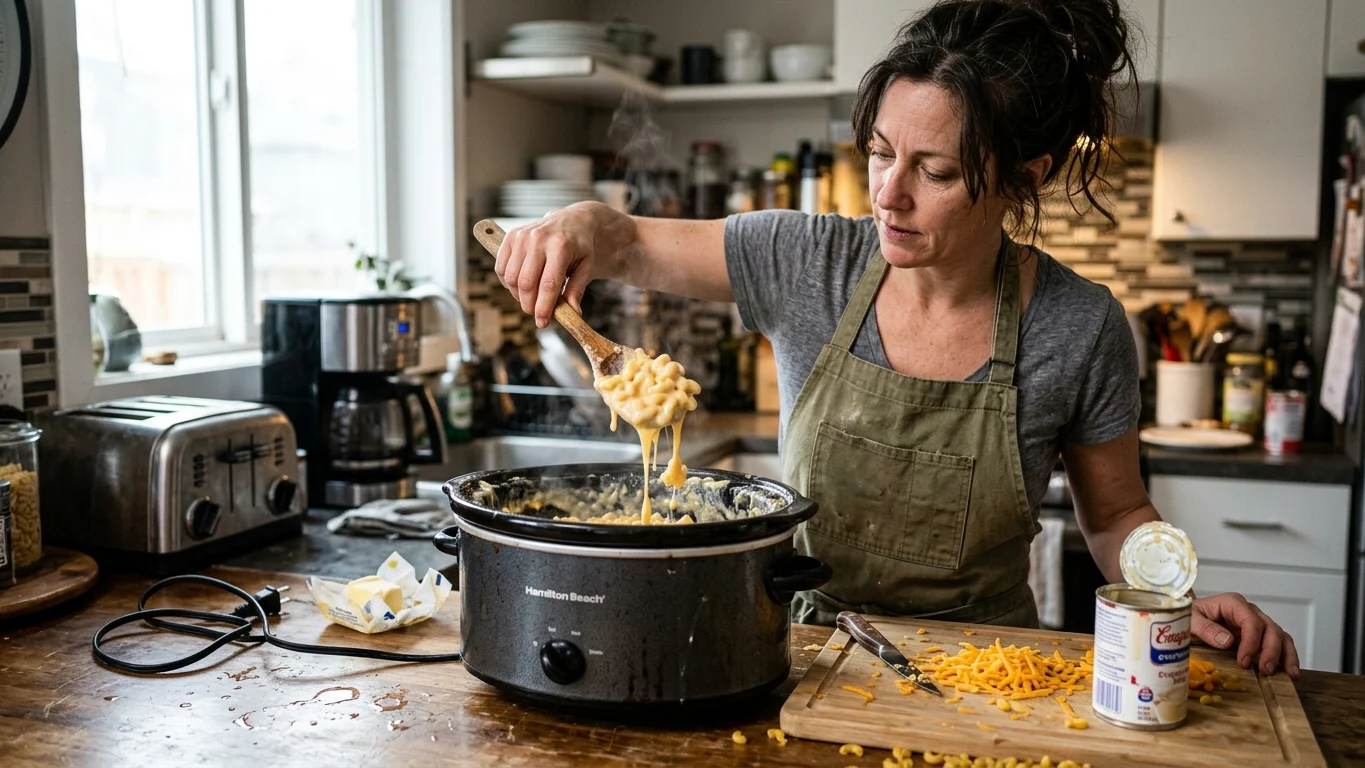
Begin by thoroughly coating the interior of a 6-quart slow cooker with butter or a high-quality nonstick oil. This prevents the milk proteins from seizing and baking onto the hot ceramic walls during the cooking process. You must shred the sharp cheddar cheese by hand using a box grater, as pre-shredded commercial cheeses are heavily coated in cellulose that will ruin your smooth melt.
After executing your four-minute par-boil, toss the drained macaroni with salted butter directly in the prepared slow cooker. Incorporate the evaporated milk, whole milk, cream cheese, freshly grated cheddar, and your precise measurements of garlic powder, cayenne, black pepper, and salt. Gently fold the mixture until the ingredients are evenly distributed, noting that the liquid will appear entirely too thin at this stage.
Temperature Control and Serving Protocol
Set the slow cooker to the LOW setting, which typically hovers around 200°F (93°C), for exactly 45 to 60 minutes. Cooking on HIGH will rapidly boil the milk, violently breaking the emulsion and instantly turning your carefully prepped pasta into mush. You must gently stir the macaroni every 20 minutes to redistribute the melting cream cheese and ensure an even, uniform sauce.
Begin testing the pasta for texture exactly at the 45-minute mark. Once the macaroni is tender but still retains a slight al dente chew, immediately switch the unit to the WARM setting to halt the primary cooking process. The sauce will naturally thicken as it rests; if it becomes too dense before service, vigorously stir in a small splash of heated whole milk to restore its luxurious consistency.