The Foundations of Heritage Baking
Baking in the United States relies heavily on simple, robust ingredients like sweet cream butter, brown sugar, and distinctly regional flours. Home cooks across the country preserve family history through handwritten recipe cards passed down through generations. These formulas emphasize hearty textures and bold, sweet flavor profiles.
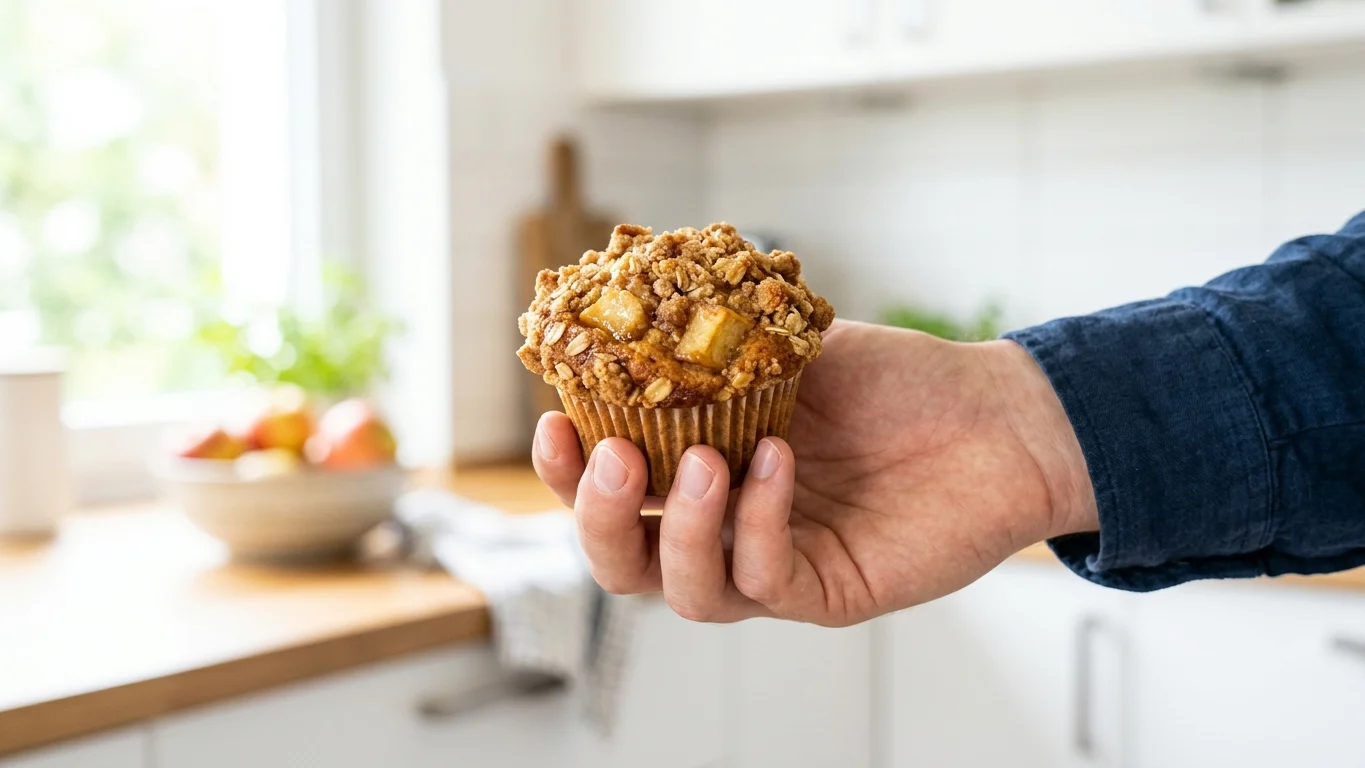
Unlike European traditions that often require complex yeast laminations, foundational American baking prioritizes chemical leavening agents. Baking soda and baking powder allow for rapid rising in ovens, defining the texture of quick breads, muffins, and cakes.
Iconic Drop Cookies
Drop cookies form the backbone of the American dessert repertoire. The process involves mixing a relatively soft dough and dropping it by spoonfuls directly onto a flat baking sheet.
The Toll House Original
The modern chocolate chip cookie originated in the 1930s at the Toll House Inn in Whitman, Massachusetts. Chef Ruth Wakefield invented this national staple by folding chopped semi-sweet chocolate chunks into a basic blonde butter dough.
A standard American chocolate chip cookie recipe demands specific ratios to achieve a chewy center and crisp edges. Bakers cream softened butter with both granulated white sugar and molasses-rich brown sugar.
- Wet ingredients: Large eggs, pure vanilla extract, and unsalted butter.
- Dry ingredients: All-purpose flour, baking soda, and kosher salt.
- Add-ins: Semi-sweet chocolate chips or chopped walnuts.
Regional Pie Traditions
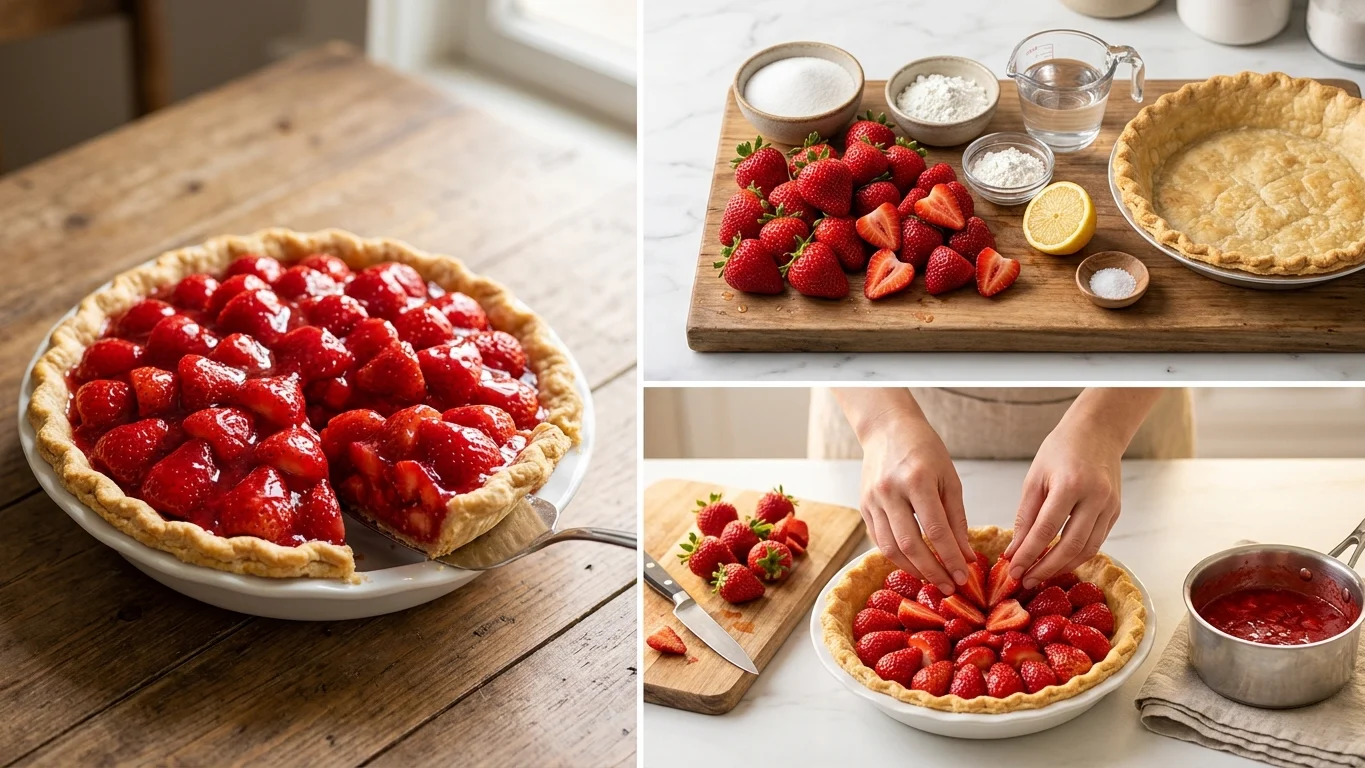
Fruit and custard pies define autumn baking across the United States. Local agriculture directly influences the fillings baked inside these standard double-crust desserts.
New England Apple Varieties
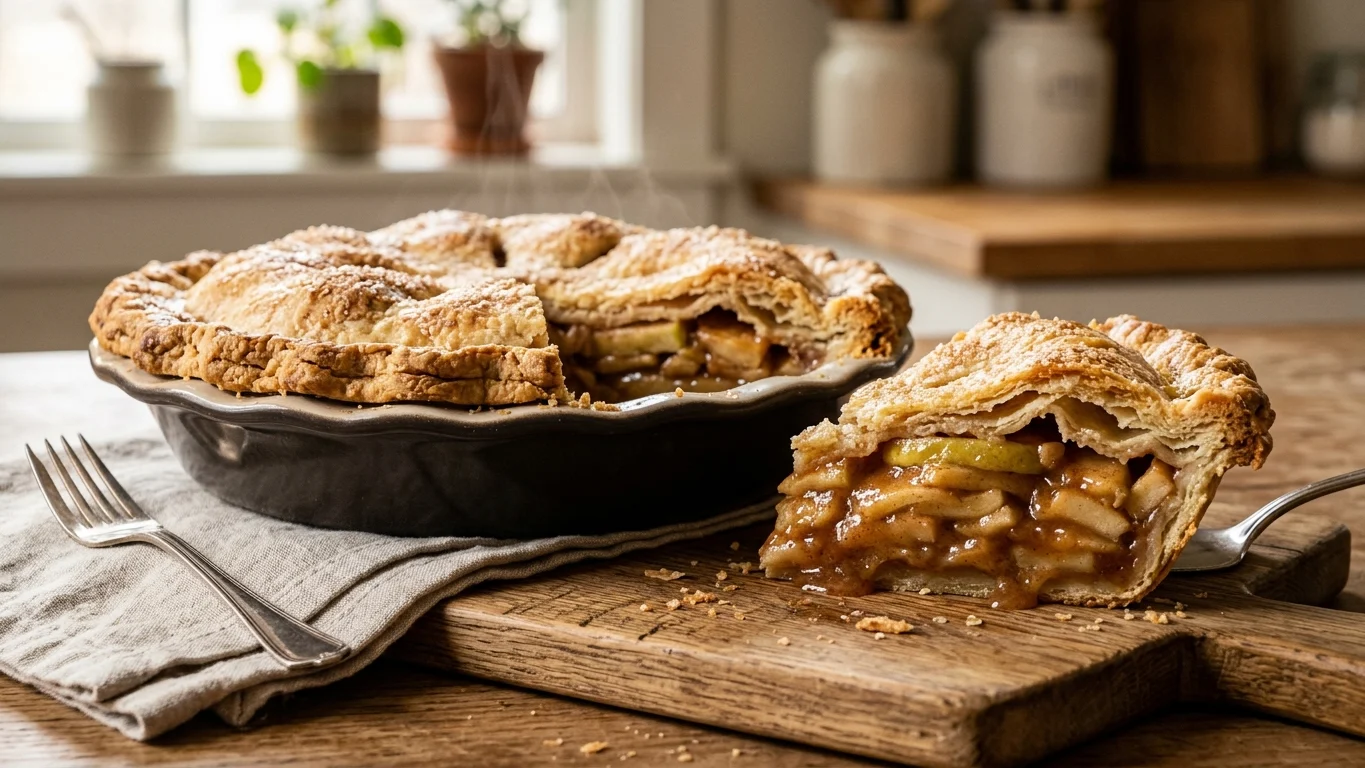
Bakers in the Northeast rely on regional apple varieties like McIntosh, Cortland, and Honeycrisp for deep-dish fruit pies. The filling requires a mix of tart and sweet apples tossed with cinnamon, nutmeg, and a thickening agent like cornstarch.
A standard American pie crust utilizes ice-cold butter or vegetable shortening cut into all-purpose flour. This method inhibits gluten development, resulting in a flaky, sturdy structure capable of holding dense fruit fillings.
Southern Biscuit Mastery
The Southern buttermilk biscuit stands as a pillar of regional American baking. These savory, layered breads accompany both breakfast plates and heavy dinner stews.
Authentic Southern biscuits require a specific low-protein flour to achieve their signature tender crumb. Historically, bakers in states like Georgia and Tennessee turn to brands milled from soft red winter wheat.
The essential chemical reaction happens between acidic cultured buttermilk and basic baking soda. This combination provides the rapid, powerful leavening needed to push the dough into tall, fluffy layers inside a hot cast-iron skillet.