The Architecture of a Master-Level Chocolate Dessert
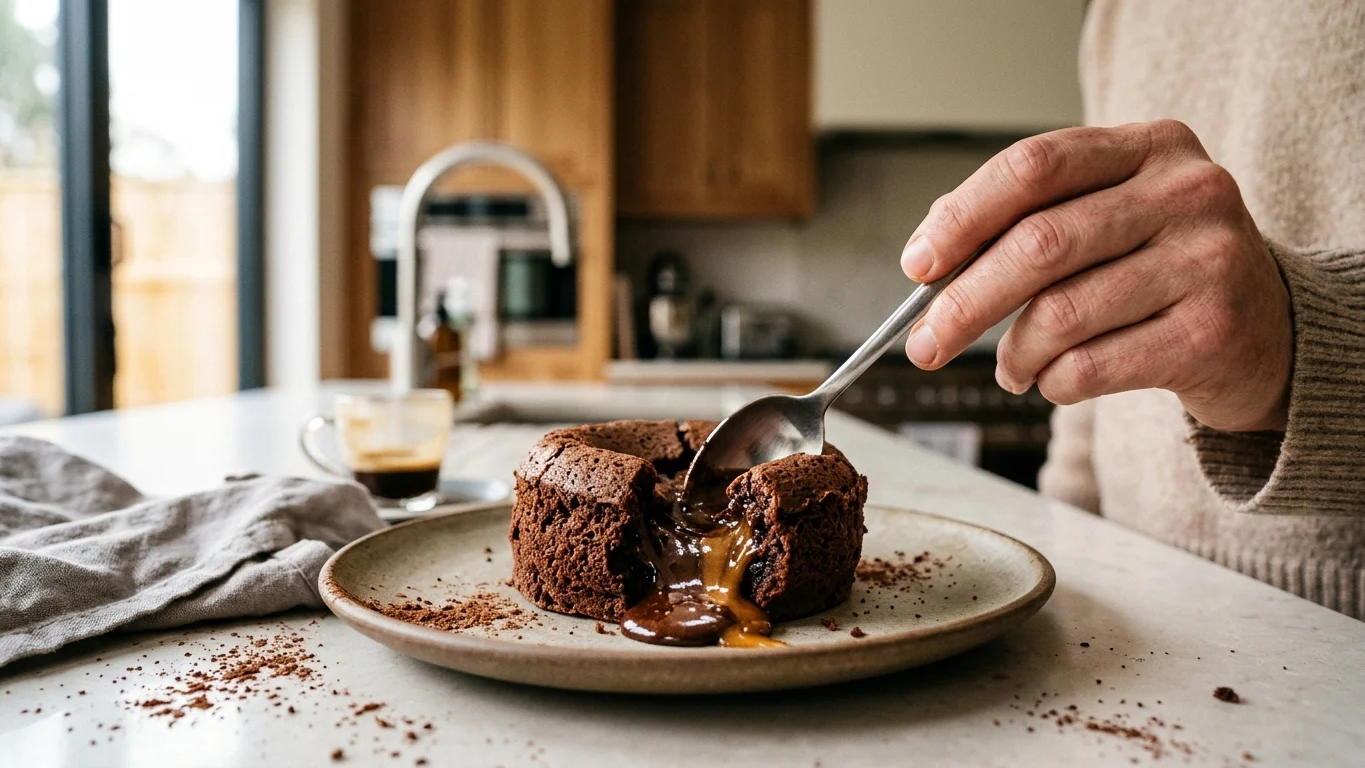
A properly executed chocolate fondant is the undisputed crown jewel of professional pastry kitchens. Its brilliance lies in the contrast between a delicate, aerated sponge exterior and a rich, flowing liquid center. Achieving this balance requires precise temperature control and an uncompromising approach to ingredient selection.
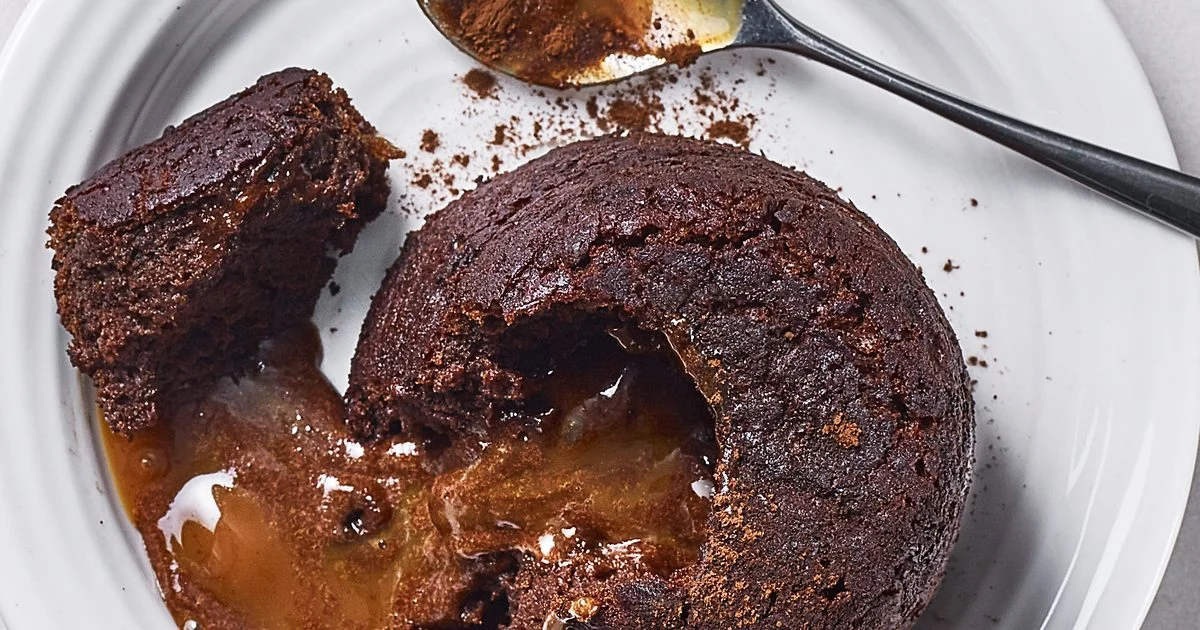
For this iteration, we are moving beyond the traditional molten cake by introducing a liquid salted caramel core. We also fortify the chocolate matrix with espresso powder, which elevates the dessert to a Michelin-caliber experience. The espresso does not make the dish taste like coffee, but rather acts as an amplifier for the dark chocolate’s deep roasted notes.
The Thermodynamics of Baking from Frozen
The greatest challenge in executing a molten dessert is navigating the tiny margin of error between a perfectly liquid center and an overbaked crumb. By building the fondants and freezing them completely before baking, we successfully manipulate the thermodynamic transfer of heat. The exterior bakes into a structured crust while the frozen core remains insulated, guaranteeing a flawlessly molten center every single time.
This technique also provides exceptional operational flexibility for dinner parties or restaurant service. You can prepare the batter, assemble the molds, and keep them in the freezer up to two weeks in advance. When it is time for dessert, the rock-solid molds go straight into a preheated 400°F oven.
Mold Preparation: The Double-Coating Technique
Sticking is the enemy of the fondant, and a single tear in the delicate cake will completely ruin the visual presentation. To ensure a flawless release, professional kitchens use metal dariole molds for their rapid, even heat conduction. We employ a double-buttering technique, allowing the first layer to chill and set before applying a generous second coat.
Rather than flour, we dust the heavily buttered molds with unsweetened cocoa powder. This provides an insurance policy against sticking while developing a beautifully textured, slightly bitter cocoa crust on the finished pudding. It is a subtle refinement that separates elite professional pastry work from standard home baking.
Technical Recipe Specifications
| Ingredient / Component | US Measurement | Metric Weight |
|---|---|---|
| Unsalted butter (melted, divided use) | 7 oz (plus extra for molds) | 200g |
| Unsweetened cocoa powder | 3 tbsp | 15g |
| High-quality caramel sauce | 1.7 oz | 50g |
| Dark chocolate (70% cacao), chopped | 7 oz | 200g |
| Strong espresso powder | 4 tbsp | 20g |
| Large eggs (Room temperature) | 3 whole eggs + 3 yolks | Approx. 200g total |
| Superfine cane sugar (or golden caster) | 2.6 oz | 75g |
| All-purpose flour | 1.7 oz | 50g |
| Flaky sea salt (Maldon preferred) | To taste | To taste |
| Total Cooking Time | 25 minutes active prep; 2 hours freezing; 15 minutes baking | |
| Expert Pairings & Sides | Serve with a quenelle of unsweetened crème fraîche or a highly infused vanilla bean gelato. A glass of Tawny Port or Pedro Ximénez sherry beautifully cuts the richness of the dark chocolate. | |
Execution and Method
Begin by prepping six small metal dariole molds or ramekins with 1.7 ounces (50g) of your melted unsalted butter. Brush the insides thoroughly, chill until set in the refrigerator, then apply a second coat of butter and dust generously with cocoa powder. Tap out the excess cocoa and return the molds to the refrigerator to harden.
In a small bowl, whisk the prepared caramel sauce with a heavy pinch of flaky sea salt. Place this salted caramel in the refrigerator to firm up slightly. Chilling the caramel makes it significantly easier to handle during the delicate assembly process.
Establish a double boiler by setting a heatproof bowl over a saucepan of gently simmering water, ensuring the water does not touch the bowl. Melt the remaining butter, chopped dark chocolate, and espresso powder together, stirring gently until perfectly smooth and glossy. Remove the bowl from the heat, stir in a small pinch of sea salt, and let the mixture cool slightly.
In a separate mixing bowl, combine the whole eggs, egg yolks, and superfine sugar. Beat this mixture with an electric mixer until it reaches the ribbon stage, appearing pale and leaving a distinct, slowly dissolving trail when the whisk is lifted. Proper mechanical aeration at this stage is mandatory for building a light, structural sponge.
Sift the all-purpose flour directly over the aerated egg mixture. Gently fold the flour into the eggs using a flexible spatula, followed immediately by pouring in the warm melted chocolate mixture. Work with a light hand to preserve the trapped air, folding just until no dry streaks of flour remain.
Fill the prepared molds halfway with the chocolate batter and place them in the freezer on a baking sheet for 20 to 25 minutes until just set. Place one teaspoon of the chilled salted caramel into the center of each semi-frozen base. Top with the remaining chocolate batter, ensuring the caramel is completely encased, then freeze the molds until rock solid.
When ready for service, preheat your oven to 400°F (200°C). Place the frozen molds on a heavy-duty baking sheet and bake for exactly 15 minutes. The tops should form a firm crust and begin to pull away slightly from the edges of the metal molds.
Remove the fondants from the oven and allow them to rest undisturbed for exactly one minute to stabilize the exterior crumb. Carefully invert each mold onto a warm plate, lifting gently to release the steaming fondant. Garnish with a final flourish of flaky sea salt and serve immediately to showcase the molten center.